
Understanding Mini Split AC Systems
As summer heat waves become more frequent and intense, the demand for efficient and flexible cooling solutions is on the rise. Enter the mini split AC system, a versatile and space-saving alternative to traditional air conditioning methods. These systems are particularly beneficial for urban dwellers, homeowners with limited space, and anyone looking to maintain specific room temperatures without the hassle of ductwork. When exploring options, mini split ac units provide comprehensive insights into modern air conditioning technology.
What is a Mini Split AC?
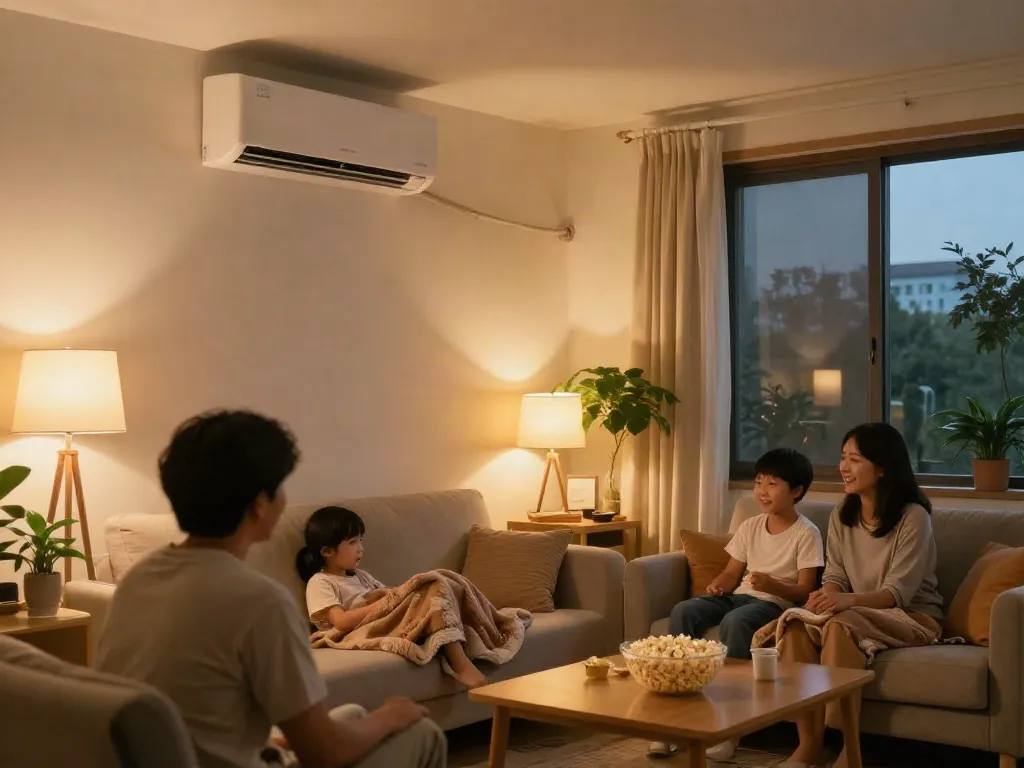
A mini split air conditioner is a type of ductless HVAC system that includes two main components: an indoor unit and an outdoor condenser. The indoor unit is typically mounted high on a wall, allowing it to distribute cool air evenly throughout the room. Unlike traditional systems, which rely on extensive ductwork, mini splits are easier to install and can be placed in various locations, making them an ideal choice for homes without pre-existing duct systems.
Benefits of Mini Split Air Conditioners
- Energy Efficiency: Mini split systems are known for their high energy efficiency ratings, allowing homeowners to save on utility bills while keeping their living spaces comfortable.
- Flexible Installation: The absence of ductwork means these units can be installed in virtually any room, providing targeted cooling and heating as needed.
- Quiet Operation: Mini splits operate more quietly than traditional AC systems, making them ideal for bedrooms and quiet spaces.
- Zone Control: With the ability to control the temperature in individual rooms, mini splits allow for personalized comfort and reduced energy consumption in unoccupied spaces.
Components of Mini Split Systems
Understanding the components of a mini split AC system can help users make informed decisions. Key elements include:
- Indoor Unit: Responsible for cooling or heating the air. It typically features an efficient fan and a cooling coil.
- Outdoor Condenser: Contains the compressor and is responsible for expelling heat from the refrigerant.
- Remote Control: Most units come with a remote control feature for easy temperature adjustments from anywhere in the room.
- Connecting Line: This tubing connects the indoor and outdoor units, allowing for refrigerant and electrical connections.
Choosing the Right Mini Split AC
Selecting the perfect mini split AC system involves several crucial considerations to ensure optimal performance and satisfaction.
Factors to Consider Before Purchase
Before investing in a mini split AC, consider factors such as:
- Room Size: Calculate the BTUs (British Thermal Units) required for the space you intend to cool.
- Climate: Your local climate will affect the system's performance; hotter areas may require more robust units.
- Brand Reputation: Opt for established brands with proven reliability and customer service support.
- Features: Look for features like inverter technology, smart controls, and programmable timers for enhanced efficiency.
Sizing Your Mini Split AC for Optimal Performance
Proper sizing is crucial when it comes to mini split systems. An undersized unit may struggle to cool a space effectively, while an oversized system can lead to frequent cycling, reducing efficiency. To determine the appropriate size, consult with HVAC professionals or use online calculators that factor in room dimensions, insulation levels, and sunlight exposure.
Energy Efficiency Ratings Explained
When it comes to mini split AC systems, energy efficiency is a top consideration. The Seasonal Energy Efficiency Ratio (SEER) and Heating Seasonal Performance Factor (HSPF) ratings indicate how efficiently an air conditioning system uses energy. The higher the SEER or HSPF rating, the more efficient the system will be, leading to potential cost savings over time.
Mini Split AC Installation Process
Installing a mini split AC system can be a straightforward process, though it may differ based on your comfort level and expertise.
DIY Installation vs. Professional Help
While some homeowners may choose to install mini split AC systems themselves, hiring a professional HVAC technician can ensure proper installation and adherence to local building codes. Professional installation is often recommended to avoid potential issues such as refrigerant leaks or inadequate support for the outdoor unit.
Tools and Materials Needed for Installation
If you decide to tackle the installation yourself, you’ll need specific tools and materials, including:
- Drill and bits for mounting brackets
- Level for ensuring proper placement
- Measuring tape for accurate measurements
- Refrigerant lines and electrical wiring as specified by the unit
- Safety gear to protect against accidental injuries
Step-by-Step Installation Guide
1. Choose the location: Install the indoor unit on an exterior wall to minimize the length of refrigerant lines.
2. Drill a hole: Create a 3-inch hole through the wall for the refrigerant lines.
3. Mount the indoor unit: Securely attach the indoor unit bracket to the wall.
4. Connect the refrigerant lines: Carefully connect the lines between the indoor and outdoor units, ensuring no kinks are present.
5. Install the outdoor unit: Place the outdoor unit on a stable surface, ensuring it is on flat ground or on a mounting pad.
6. Connect power supply: Follow local electrical codes to connect the system to power.
7. Test the system: Once everything is connected, test the unit to ensure it operates correctly.
Common Issues and Troubleshooting
Even the best mini split AC systems can encounter problems. Understanding common issues and their fixes can save you time and frustration.
Identifying Common Mini Split AC Problems
Some prevalent problems include:
- Inadequate Cooling: Could indicate a refrigerant leak or an improperly sized unit.
- Noisy Operation: Unusual sounds may signal loose components or issues with the compressor.
- Frequent Cycling: This may point to a poor thermostat placement or short-circuiting issues.
Simple Fixes for Your Mini Split Unit
For some issues, simple troubleshooting can lead to quick fixes:
- Check the air filter and clean or replace it if necessary to ensure unobstructed airflow.
- Inspect the outdoor unit for obstructions, such as dirt or debris, which can impair performance.
- Adjust the thermostat settings to ensure it’s properly calibrated according to your preferences.
When to Call a Professional
If troubleshooting steps don’t resolve the issue, or if you encounter complex problems such as refrigerant leaks, it’s best to consult a professional HVAC technician to avoid exacerbating the situation.
Future Trends in Mini Split AC Technology
The HVAC industry is evolving rapidly, and mini split AC systems are no exception. Understanding upcoming trends will help consumers stay ahead of the curve.
Smart Features and Home Automation
As smart home devices become more commonplace, many mini split systems now offer connectivity features. Homeowners can control their AC units via smartphone apps, allowing for remote temperature adjustments and energy monitoring.
Innovations in Energy Efficiency for 2026
Looking ahead, manufacturers are focused on enhancing energy efficiency. Expect to see advancements like improved insulation, variable speed compressors, and better heat exchangers that allow mini splits to maintain performance with lower energy consumption.
Predictions for the Future of Climate Control
The future of climate control is likely to include even more integration with renewable energy sources. As solar power installation continues to rise, mini split systems may be designed to work harmoniously with solar panels, further reducing reliance on traditional energy sources.
Frequently Asked Questions
What are the advantages of a mini split AC system?
Mini split AC systems provide numerous advantages, including energy efficiency, flexibility in installation, quiet operation, and zoned temperature control, catering to individual comfort needs while saving on energy costs.
How do I maintain my mini split air conditioner?
Regular maintenance for mini split AC includes cleaning or replacing air filters, inspecting the outdoor unit for debris, checking the refrigerant level, and scheduling professional maintenance annually to ensure optimal performance.
Can a mini split AC provide heating as well?
Yes, many mini split systems come with heat pump technology, allowing them to provide efficient heating during colder months, making them versatile for year-round climate control.
What is the average lifespan of a mini split AC?
With proper maintenance, a mini split AC system can last between 12 to 15 years, though some units may exceed this lifespan depending on usage and maintenance practices.
Are mini split AC systems noisy during operation?
Modern mini split AC units are designed to operate quietly, typically producing sound levels as low as 19 dB for indoor units, making them an excellent option for bedrooms and quiet spaces.